Access issues for Colindale back gardens gardeners solutions

If you have ever looked at a back garden and thought, "The garden itself is fine, but getting into it is the problem," you are not alone. Access issues for Colindale back gardens gardeners solutions are a very real part of garden work in this part of London, where narrow side passages, shared pathways, awkward steps, storage bins, and tightly built homes can turn a simple maintenance visit into a small logistical puzzle.
The good news is that these access problems are usually manageable. With the right planning, the right kit, and a sensible approach to route, timing, and working method, a skilled gardener can still carry out everything from mowing and hedge trimming to garden clearance and landscape work without creating stress for you or damage to the property. This guide walks through what access problems actually look like, how professionals deal with them, and what you can do to make the job smoother from the start.
It is practical, local, and straight to the point. Let's face it, a tidy garden is much easier to enjoy when nobody has to squeeze a wheelbarrow through a gap the width of a suitcase.
Why access issues for Colindale back gardens gardeners solutions matters
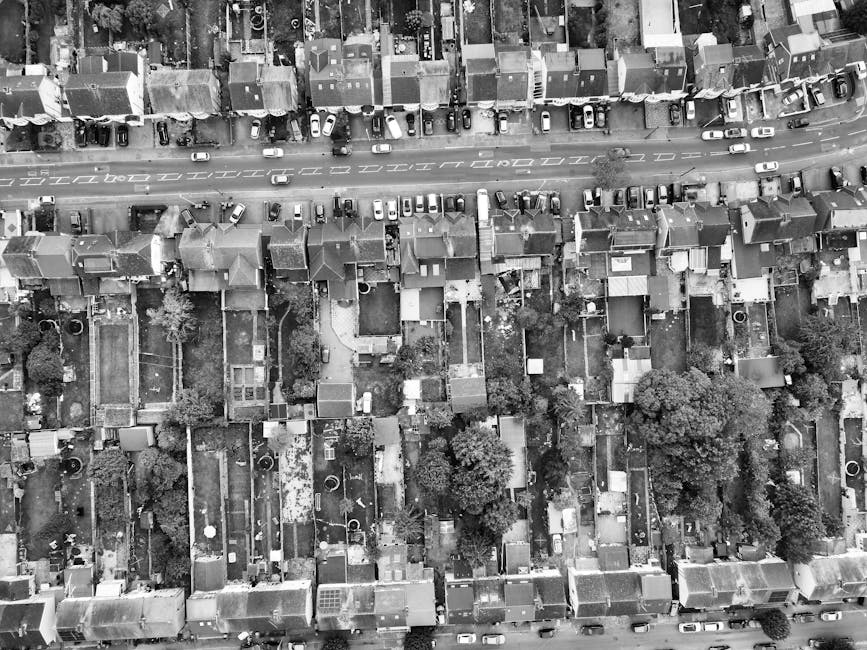
Access is not a side issue. It affects what can be done, how long it takes, what tools can be used, and whether the finished result is neat or a bit compromised. In Colindale, back gardens can sit behind terraces, flats, newer developments, or older properties with side returns that were never designed for modern garden equipment. You may have a decent size garden out back, but if the only route in is through a narrow hallway and a tight side gate, the whole job changes.
That matters for three reasons. First, it affects safety. Carrying heavy bags, long hedge trimmers, slabs, or timber through cramped spaces increases the chance of knocks, slips, and awkward lifting. Second, it affects the quality of work. If the team cannot bring materials in efficiently, they may need to adapt the job, break it into stages, or use smaller tools. Third, it affects cost and timing. Not because anyone is being difficult, but because access constraints usually mean more handling, more care, and more planning.
There is also the home-ownership side of it. A broken plant pot, scuffed wall, or muddy hallway can turn a routine visit into a headache. When access is planned properly, the job feels calmer. You hear less clattering. You see less mess. And the garden gets the attention it needs without the extra drama.
If you are comparing services, it helps to look at the wider scope too. A provider that offers garden services overview, ongoing garden maintenance, or garden clearance is often better placed to adapt when access is awkward, because those jobs usually demand a more flexible way of working.
How access issues for Colindale back gardens gardeners solutions works
In simple terms, the solution starts before any tools come out of the van. A good gardener will look at the access route, the width of gates and side passages, any steps or level changes, where waste will be removed, and whether large items need to be dismantled before they can be carried through. Sometimes this is done from photos, sometimes during a site visit, and sometimes both.
There are a few common access patterns:
- Narrow side passage access: typical in terraces and older homes, where the route to the rear garden is tight and may include bends.
- Internal access only: where the garden is reached through the property, which requires extra care to protect flooring and walls.
- Shared or communal access: common in flats or maisonettes, where permissions and timings matter.
- Rear lane or service access: useful when available, but not always suitable for heavy or frequent movement.
- Restricted gate access: where the gate is too narrow for standard barrows or bulky equipment.
From there, the solution is usually a mix of practical adjustments. Tools may be chosen for size rather than maximum power. Materials may be brought in as smaller loads. Waste may be bagged rather than loaded in bulk. In some cases, work is sequenced differently, so the most intrusive parts happen first and the clean-up happens last. That sounds simple, but in real life it is the difference between a smooth visit and a bit of chaos.
The other part of how it works is communication. If the client mentions a locked side gate, a neighbour's shared alley, or a steep step at the back door before the team arrives, it saves time. Truth be told, half the "problem" is often just information not being shared early enough.
Key benefits and practical advantages
When access planning is done properly, the benefit is not just convenience. It changes the whole experience of the job.
- Less disruption to your home: careful movement means fewer scuffs, fewer muddy footprints, and less disturbance indoors.
- Better use of time: the team spends less energy wrestling with access and more on the actual gardening.
- Safer working conditions: fewer awkward lifts and fewer rushed manoeuvres reduce avoidable risks.
- More accurate quotes: the gardener can price the job more realistically when they know what access they are dealing with.
- Cleaner finishes: jobs like lawn mowing, hedge trimming, and clearance are easier to complete neatly when movement in and out is planned.
- Less chance of neighbour friction: if shared access is handled politely and on the right schedule, everyone has a calmer day.
There is a practical bonus too: better access planning often helps with future work. Once a property has a clear routine for moving tools, waste, and new materials, repeat visits become much easier. That is especially useful for routine lawn care, hedge trimming, and seasonal tidy-ups where the same route is used again and again.
Expert summary: good access solutions are rarely dramatic. They are usually simple, quiet fixes: clearer route planning, smaller tool loads, protection for indoor surfaces, and a bit of advance communication. Small things, big difference.
Who this is for and when it makes sense
This topic matters if your garden is behind a property with limited side access, or if the only route to the back is through the house. It also matters if you are planning anything beyond basic maintenance. A light mow can sometimes be managed quite easily. A full clearance, new planting scheme, or landscaping job may need a much more thoughtful approach.
You will usually benefit from professional access planning if:
- your side passage is too narrow for standard equipment
- you have delicate flooring indoors and want to avoid damage
- there is no direct rear access from the street
- you share access with neighbours or other residents
- the garden contains heavy waste, mature shrubs, or bulky materials
- you are arranging work after a long period of neglect
- you need a service that combines several tasks, such as clearance, planting, and finishing
It also makes sense if you simply do not want the hassle yourself. Some homeowners can manage access for small jobs. Others would rather avoid dragging bags of green waste through the kitchen on a wet Tuesday morning. Fair enough.
For more involved projects, it can help to explore services that sit around the access problem rather than just the final task. For example, landscaping, landscape gardening, and decking services all tend to benefit from stronger access planning because they involve materials, movement, and a sequence of work rather than one quick visit.
Step-by-step guidance
If you want to make the process easier, this is the most sensible order to follow. Nothing fancy. Just a steady, practical approach.
- Measure the access route. Note gate width, passage width, steps, bends, low walls, and any awkward turns. Don't forget head height if there are overhangs.
- Photograph the route. A few clear pictures from the front, side, and back help a gardener judge what will actually fit.
- Flag indoor access early. If tools or waste must pass through your home, say so upfront so protection can be planned.
- Identify obstacles. Bins, bikes, furniture, garden ornaments, children's play equipment, and even a resident cat can all change the route.
- Decide what must be moved first. Sometimes simply clearing the access path makes the whole job feel ten times easier.
- Ask how waste will be removed. Green waste, soil, timber, and rubble may need different handling methods.
- Agree the working sequence. For example: trim first, clear second, then final tidy-up and sweep through.
- Check timings. If shared access is involved, pick a time when disruption is least likely.
- Protect surfaces. Mats, boards, covers, or temporary runners may be needed inside the house.
- Review the plan on arrival. A quick five-minute walkthrough can prevent an hour of trouble later.
One small tip that saves a lot of grief: make sure the access route is clear the day before, not ten minutes before the team arrives. It sounds obvious, but life gets busy and that one black bin bag has a way of staying exactly where you need to walk.
Expert tips for better results
There are a few habits that consistently improve outcomes on restricted-access jobs. These are the little things experienced garden teams tend to notice first.
Use smaller, lighter loads when movement is tight. It is slower, yes, but usually safer and cleaner. Smaller bags are easier to carry through narrow spaces and less likely to knock into walls or corners.
Break the job into zones. If the back garden is a mess, tackle it in stages. Front access, middle section, rear boundary. This is especially useful for garden clearance and larger maintenance visits.
Keep the route dry and visible. A wet side passage in winter can be slippery underfoot, especially when leaves have dropped. A clean, well-lit route makes everyone calmer. You can almost hear the relief in the footsteps.
Think about noise and neighbours. Hedge trimmers, blowers, and loading waste are not silent. If access runs close to other homes, a considerate schedule helps avoid complaints.
Ask for the right service mix. If the garden needs more than a simple tidy, pair maintenance with clearance or small-scale landscaping so the access plan only needs to be organised once.
Plan for the aftercare. Once the garden is accessible and tidy, keep it that way. Regular visits are easier than waiting until the path is full of overgrowth again.
Common mistakes to avoid
A surprising number of access problems are self-inflicted. Not maliciously, of course. Just by assuming the route will "probably be fine." It often isn't.
- Waiting until the day of the job to mention the access issue. This is the big one. It usually creates delays and awkward compromises.
- Underestimating width. A gate can look generous until a wheelbarrow, blower, or board needs to pass through at an angle.
- Forgetting about indoor protection. Hallways, carpets, and skirting boards need care if the property is the only route.
- Leaving clutter in the access path. Even small items can force repeated lifting and extra trips.
- Choosing the wrong service scope. A simple maintenance visit may not be enough if the garden also needs clearance or structural work.
- Ignoring shared access etiquette. A quick polite heads-up can prevent a lot of unnecessary tension.
- Assuming all gardens can be handled the same way. They cannot. Back garden access is often the hidden variable.
There is also a quiet mistake people make when they try to be "helpful" by saying, "Just do your best." Nice sentiment. But a better result comes from a clear plan, not improvisation in a narrow passage with a hedge trimmer under one arm.
Tools, resources and recommendations
When access is tight, the right tools matter more than the fanciest ones. Compact, versatile equipment tends to perform better than large machines that simply cannot get through the route.
Useful considerations include:
- Compact hand tools: ideal for detailed work where larger equipment would be awkward.
- Smaller cordless tools: often easier to carry and quicker to position in restricted spaces.
- Heavy-duty bags or containers: useful for waste sorting when you cannot wheel larger loads out easily.
- Protective coverings: mats, sheets, or boards can help keep indoor routes clean and reduce scuffing.
- Lighting and visibility: especially helpful in early mornings, winter afternoons, or shaded side passages.
- Planning photos and measurements: simple but hugely effective for quoting and scheduling.
It can also be helpful to choose a provider that is clear about process and trust. Pages such as pricing and quotes, insurance and safety, and health and safety policy can give you a better sense of how seriously a company handles planning and risk.
If sustainability matters to you, look at whether the business has a practical recycling approach. The page on recycling and sustainability is a useful sign that waste handling is considered properly, which is especially relevant when access restrictions make every load-out more deliberate.
Law, compliance, standards, or best practice
For most homeowners, access planning is less about formal regulation and more about sensible best practice. That said, some situations do touch on safety and responsibility, especially if the work involves shared areas, contractors entering the home, or the movement of heavy materials.
In practical terms, a trustworthy garden service should think about:
- safe manual handling: avoiding unnecessary strain when lifting or carrying
- slip and trip prevention: keeping passages clear and dry where possible
- property care: protecting walls, floors, and doors when using internal routes
- clear communication: agreeing access arrangements before work begins
- insurance awareness: making sure the business is prepared for accidental damage scenarios
If work is taking place in a shared building or close to neighbours, courtesy matters too. Keep noise sensible, avoid blocking entrances, and respect agreed access times. That is not really legal jargon, just ordinary good practice. And it goes a long way.
For any business handling waste, materials, or site hazards, the standards may vary by job type, but the underlying expectation is straightforward: do the work safely, do not damage the property, and communicate clearly if something changes on site. If a provider cannot explain its approach in plain English, that is usually a warning sign.
Options, methods, or comparison table
Different access situations call for different methods. The best choice depends on the route, the size of the job, and how much disturbance you can reasonably accept.
| Method | Best for | Strengths | Limitations |
|---|---|---|---|
| Carry-through via house | Homes with no side or rear access | Works when there is no alternative route | Needs indoor protection and more care |
| Narrow side passage access | Typical Colindale terraces and similar properties | Direct route to the garden, usually efficient | Can be tight for bulky tools or waste |
| Smaller tool and bag method | Restricted gates or awkward bends | Flexible and low-risk | More trips, so it can take longer |
| Staged work plan | Clearance or larger landscaping jobs | Organised and controllable | May require more than one visit |
| Shared access scheduling | Flats, maisonettes, and communal routes | Reduces friction with neighbours | Needs coordination and flexibility |
For light maintenance, a direct route with small equipment is often enough. For bigger jobs, staged work usually wins because it keeps the site calmer and safer. In practice, the "best" method is rarely the most impressive one. It is the one that gets the job done without fuss.
Case study or real-world example
Imagine a typical Colindale back garden behind a terraced property. The garden itself is not huge, but it has become overgrown over a couple of seasons. The side passage is narrow, the gate opens inward, and there is a step down from the kitchen to the rear. The homeowner wants a tidy-up, hedge reduction, removal of old pots, and a bit of reshaping around the borders.
On a rushed day, that could become frustrating very quickly. But with a proper plan, it becomes manageable. The route is measured first. The gate is checked. Indoor flooring is protected. Waste is bagged in smaller loads. The hedge is cut in sections so debris does not block the path. The clearance is done before the final sweep-up. No heroic effort, just a sequence that fits the property.
That kind of job is exactly where access-aware thinking pays off. The owner gets a clean, orderly result. The team avoids unnecessary back-and-forth. And the garden ends the day looking like it should have looked all along, not like a battleground.
Sometimes the biggest difference is simply this: someone noticed the awkward bit before it became a problem.
Practical checklist
Use this before booking a gardener for a back garden with access constraints.
- Measure gate, passage, and doorway widths
- Photograph the route from front to back
- Note any steps, slopes, bends, or low obstacles
- Tell the gardener if access goes through the house
- Clear bins, bikes, boxes, and loose items from the route
- Ask how waste will be removed
- Confirm whether indoor surfaces need protection
- Agree the best time for shared or neighbour-facing access
- Check if the work needs maintenance, clearance, or landscaping rather than one simple visit
- Ask for pricing based on the real access conditions, not assumptions
If you can tick most of those boxes, the job is already much more likely to run smoothly.
Conclusion
Access issues for Colindale back gardens gardeners solutions are not a niche concern. They are a normal part of working in real homes, especially where properties were not designed around modern garden equipment or large-scale waste removal. The key is to treat access as part of the job, not an inconvenience to be dealt with later.
When access is planned properly, the whole experience improves. Work is safer, cleaner, quicker, and less stressful for everyone involved. You get a better result, the property stays protected, and the garden feels like a place you can actually enjoy again rather than a project that keeps dragging on.
If your back garden is awkward to reach, that does not mean it is awkward to improve. It just means the plan needs to be smarter. And that is very often enough.
Get a free quote today and see how much you can save.
Frequently Asked Questions
How do gardeners deal with very narrow back garden access?
They usually adapt the equipment, break the job into smaller stages, and plan the route carefully. Smaller bags, lighter tools, and a clear access path often solve more than people expect.
Can a gardener work if the only access is through the house?
Yes, many can, but it needs advance planning. Indoor protection, careful routing, and clear agreement about what will be carried through are essential.
Does restricted access make garden work more expensive?
It can, because the job may take longer and require extra handling or care. That said, not every restricted-access job costs dramatically more. It depends on the size of the task and how awkward the route really is.
What should I measure before asking for a quote?
Measure gate width, side passage width, doorway widths, step heights, and any tight turns. A few photos are just as useful, sometimes more so.
Is access a problem for lawn mowing and hedge trimming?
Often not for small jobs, but it depends on the tools and the route. If large equipment cannot get through, the gardener may use smaller tools or a different working sequence.
What happens if my garden clearance includes bulky waste?
Bulky waste usually needs a more deliberate removal plan. Smaller loads, more trips, or staged removal may be needed if the access route is tight.
Should I clear the access route before the gardener arrives?
Yes, definitely. Moving bins, bikes, and loose items out of the way beforehand makes the visit faster and safer. It is one of the easiest wins.
How do I protect my hallway or kitchen floor during access through the house?
Use temporary coverings such as mats, boards, or protective runners where appropriate. A professional team should be able to explain how they plan to minimise scuffs and dirt.
Can access issues affect landscaping or decking projects?
Very much so. These jobs often involve materials, fittings, and repeated movement, so access planning becomes even more important than on a simple maintenance visit.
What is the best way to explain access problems to a gardener?
Be direct and specific. Say where the route is narrow, whether access is through the house, and if there are any shared or locked gates. Photos help too. Nothing fancy, just the facts.
Do gardeners need special permissions for shared access areas?
Sometimes, especially in communal properties or shared passages. It is wise to check arrangements early so the work does not cause avoidable disruption.
Where can I find more information about the company's approach to safety and service standards?
Useful starting points include the pages on about the company, insurance and safety, and health and safety policy. They help you judge how the work is likely to be handled in practice.